
Frequently asked

Questions, answered.

Honest answers to what students and parents most often want to know about career coaching, internships, resumes, and the path from college to a first job.

01

When should students start career coaching?

The earlier students begin thinking with intention about internships, professional skills, and career development, the more opportunities they create for themselves over time. Many students wait until junior or senior year to start preparing for internships or interviews, but foundational skills like networking, resume building, and professional communication are most effective when developed early.
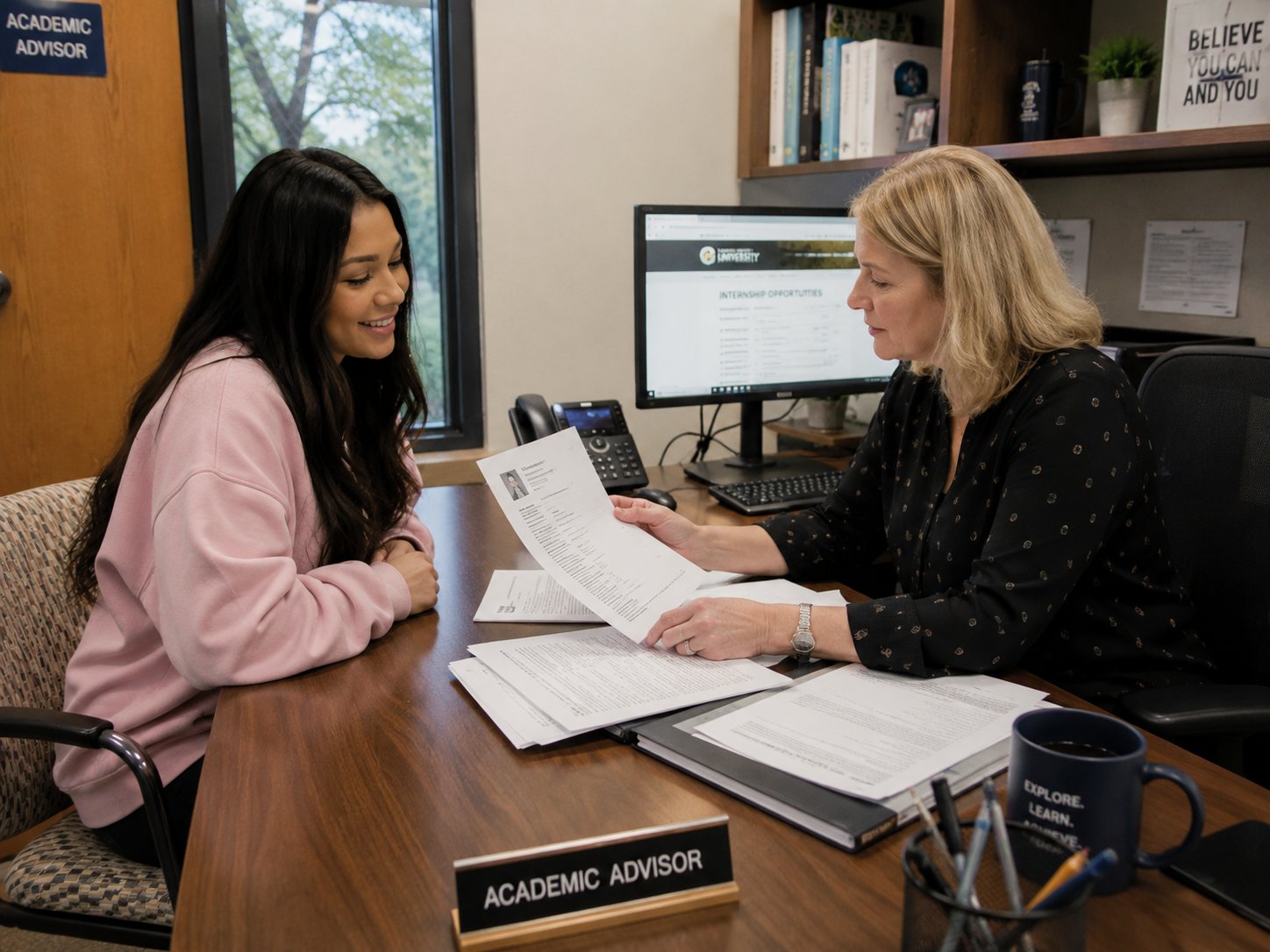
A college student meets with her academic advisor to review a resume and plan for internships

02

Do you work with students who are undecided about their career path?

Yes. Many students are still exploring interests, strengths, and possible career directions. Professional Compass helps students identify meaningful experiences, better understand their options, and develop skills that remain valuable across varied industries and career paths.


03

What year of college should students start internships?

While many formal internships target juniors and seniors, early experiences such as campus leadership roles, volunteer work, research projects, part-time jobs, and student organizations help students develop skills, build confidence, and become more competitive for future internship opportunities and job readiness.


04

What do employers look for in college students and recent graduates?

Employers evaluate more than GPA, majors or school name. They look for communication skills, initiative, adaptability, professionalism, problem-solving ability, leadership potential, and evidence that a student can contribute to a professional environment. Professional Compass helps students understand how to present those qualities clearly in resumes, interviews, and networking conversations.


05

What should a college student put on their resume when they have no work experience?

Students do not need formal work experience to build a strong resume. Coursework, leadership roles, campus organizations, volunteer work, academic projects, athletics, independent projects, and part-time responsibilities can all demonstrate valuable skills to employers. The key is learning how to present those experiences in a way that highlights communication skills, initiative, problem-solving, leadership, and responsibility.


06

Is networking important if I am applying online?

Yes. While online applications remain part of the job search process, many internships and jobs are ultimately filled through referrals, professional connections, and conversations that happen before a position is ever posted. Networking is not about asking strangers for jobs. It is about building genuine professional relationships, learning from others, and creating opportunities through meaningful connections over time.

Have another question?

Every student is different. The best answer often comes from a quick conversation about where you are and what feels uncertain.